Gorilla Trekking in Africa: A Complete Guide to Uganda, Rwanda and the DRC
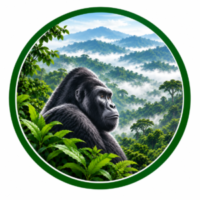
Gorilla trekking is a guided wildlife experience in which visitors hike through natural forest habitats with experienced trackers and park rangers to find and observe endangered mountain gorillas in the wild. The adventure takes travellers through dense tropical rainforest, bamboo-covered slopes and rugged mountain terrain, offering a rare opportunity to witness gorilla families in their natural environment while learning about their behaviour and conservation.
Gorilla trekking is one of Africa’s most extraordinary wildlife experiences and a highlight of many Uganda safaris and East African adventures. Beyond the excitement of seeing mountain gorillas at close range, the experience combines hiking, wildlife observation and conservation education, helping visitors appreciate the importance of protecting these remarkable primates and the fragile forest ecosystems they depend on.
Mountain gorilla trekking is available in Uganda and Rwanda, while the Democratic Republic of Congo has also been an important destination, subject to security conditions and official park operations. Each destination offers distinctive landscapes, travel arrangements and permit costs. Choosing where to go depends on your budget, travel plans, preferred trekking experience and the latest permit availability and safety guidance.
Where Can You Go Gorilla Trekking in Africa?
Mountain gorillas live in the forests of the Virunga Mountains, which extend across Uganda, Rwanda and the Democratic Republic of Congo, as well as in Uganda’s Bwindi Impenetrable Forest. These habitats are among the most important strongholds for the survival of the endangered mountain gorilla.
The main destinations historically associated with mountain gorilla trekking are Bwindi Impenetrable National Park and Mgahinga Gorilla National Park in Uganda, Volcanoes National Park in Rwanda, and Virunga National Park in the Democratic Republic of Congo. However, the availability of tourist trekking differs by park and can change, particularly where security concerns affect access.
Travellers should compare the destinations carefully before booking because the best choice depends on more than the price of a permit. Transport, accommodation, the location of available gorilla families, trekking conditions and the overall length of the safari all influence the experience.
Gorilla Trekking in Uganda
Uganda is one of Africa’s leading destinations for mountain gorilla trekking. It offers two national parks where visitors can encounter these endangered primates: Bwindi Impenetrable National Park and Mgahinga Gorilla National Park.
Bwindi Impenetrable National Park
Bwindi Impenetrable National Park is a UNESCO World Heritage Site in southwestern Uganda, renowned for its ancient rainforest, exceptional biodiversity and important population of mountain gorillas. Its steep hills, deep valleys and dense vegetation create an immersive forest environment that makes every trek distinctive.
The park has several gorilla trekking sectors, including Buhoma, Ruhija, Rushaga and Nkuringo. Each sector serves different habituated gorilla families, and the location of the family assigned to visitors influences the trekking route and physical demands of the day.
Some treks take a relatively short time, while others involve several hours of hiking through steep or muddy terrain. Gorilla movements, weather and trail conditions make it impossible to guarantee the exact duration in advance.
Bwindi is an excellent choice for travellers who want to combine mountain gorilla trekking with forest walks, birdwatching, community experiences and other activities in southwestern Uganda. Its multiple trekking sectors also provide flexibility when planning accommodation and transport, provided permits are available for the preferred location.
Visitors can explore the park’s wildlife and conservation significance through this guide to mountain gorillas in their natural habitat.
Mgahinga Gorilla National Park
Mgahinga Gorilla National Park is Uganda’s smallest national park, covering approximately 33.7 square kilometres. Despite its size, it is an important part of the Virunga mountain ecosystem and offers a distinctive combination of gorilla trekking, golden monkey tracking and volcanic hiking.
The park protects the Ugandan slopes of Mount Muhabura, Mount Gahinga and Mount Sabyinyo. These volcanic landscapes provide a dramatic setting for wildlife experiences and mountain adventures.
Mgahinga is associated with the habituated Nyakagezi Gorilla Family, although the location of gorillas and trekking availability should always be confirmed before travel. Because gorillas can move across international boundaries within the wider Virunga landscape, current arrangements matter when planning a visit.
Travellers who prefer a mountain setting and want to combine gorilla trekking with other outdoor activities may find Mgahinga particularly appealing. The choice between the two Ugandan parks depends on permit availability, accommodation, transport and the activities a traveller wishes to include.
The differences are explained in this comparison of Bwindi and Mgahinga gorilla trekking.
Gorilla Trekking in Rwanda
Rwanda offers mountain gorilla trekking in Volcanoes National Park, located in the northwestern part of the country near the town of Musanze. The park protects part of the Virunga Mountains and is internationally recognised for its conservation work and well-established gorilla tourism programme.
Volcanoes National Park
Volcanoes National Park features montane forest, bamboo vegetation and volcanic slopes that provide habitat for mountain gorillas and other wildlife. It is also associated with the legacy of primatologist Dian Fossey, whose research helped bring international attention to mountain gorilla conservation.
Gorilla trekking in Rwanda generally begins with a briefing and the assignment of visitors to a gorilla group. Guides and trackers then lead the hike according to the location of the gorillas and the designated route. Trekking duration and difficulty vary, and visitors should be prepared for steep ground, changing weather and potentially muddy trails.
Rwanda can be a convenient option for travellers who want to reach the Virunga region from Kigali. The road journey to the Musanze area is relatively short compared with travelling overland from Kampala to southwestern Uganda, although the overall cost of a safari depends on permits, accommodation, transport and other arrangements.
Rwanda’s standard international visitor gorilla permit has historically been priced higher than Uganda’s standard international visitor permit. Rates and eligibility for discounted categories can change, so travellers should confirm the applicable price with the official Rwanda Development Board booking service before making a decision.
Gorilla Trekking in the Democratic Republic of Congo
The Democratic Republic of Congo has played an important role in mountain gorilla conservation through Virunga National Park, a protected area known for its remarkable biodiversity, forests and volcanic landscapes.
Virunga National Park
Virunga National Park lies in eastern Democratic Republic of Congo and forms part of the wider Virunga conservation landscape. Historically, it has offered mountain gorilla trekking alongside other wildlife and nature-based experiences.
However, security conditions have affected tourism operations in the region. The official Virunga tourism website currently states that gorilla and Nyiragongo treks are closed until further notice. Travellers should therefore not plan a gorilla trekking visit on the assumption that these activities are available; check the official Virunga tourism website for the latest announcements before making arrangements.
When operations are authorised, visitors must follow the park’s security guidance, booking procedures and travel requirements. Safety should take priority over the prospect of a particular wildlife experience.
For background on the park and its conservation significance, visit the guide to Virunga National Park.
Uganda vs Rwanda: Which Is Better for Gorilla Trekking?
Both Uganda and Rwanda offer memorable mountain gorilla encounters, but the best destination depends on the type of safari you want and how much you plan to spend.
| Factor | Uganda | Rwanda |
|---|---|---|
| Main trekking parks | Bwindi and Mgahinga | Volcanoes National Park |
| Landscape | Ancient rainforest, steep forested hills and volcanic mountains | Volcanic mountains, bamboo forest and montane vegetation |
| Permit cost | Generally lower for standard international visitors | Generally higher for standard international visitors |
| Access | Overland journeys from Kampala or domestic flights followed by transfers | Convenient access from Kigali to the Musanze area |
| Other experiences | Forest walks, birdwatching, golden monkeys in Mgahinga and community tourism | Golden monkey tracking, volcano hiking and other experiences in the Virunga region |
| Best choice depends on | Budget, trekking sector, itinerary and accommodation | Budget, Kigali access, itinerary and available permits |
Neither destination guarantees an easier trek or a better gorilla sighting. In both countries, gorillas live in their natural habitat and can move through steep, dense forest. Trekking conditions depend on where the assigned family is located on the day.
For travellers prioritising value and a broader Ugandan itinerary, Bwindi or Mgahinga may be the preferred option. Rwanda may suit those who want to organise their trip around Kigali and the nearby Virunga Mountains.
Gorilla Trekking Permits and Booking
A gorilla trekking permit is required to participate in the activity. Permits are limited because visitor numbers are controlled to protect gorillas and their habitat.
The permit price depends on the country, visitor category and applicable tariff. The fee should be confirmed before booking, especially when travelling during a peak period or when special resident or regional rates may apply.
In Uganda, permits are managed through the Uganda Wildlife Authority’s official booking procedures. In Rwanda, mountain gorilla tracking permits are handled through the Rwanda Development Board.
When planning your permit, confirm the following:
- The trekking date and park.
- The visitor category and applicable fee.
- The availability of permits for the intended date and trekking sector.
- The identification documents required at registration.
- The cancellation, rescheduling and refund conditions.
- Whether your transport and accommodation arrangements match the permit location.
It is advisable to secure a permit before making non-refundable travel arrangements. If using a tour operator, request written confirmation of the permit arrangements and clarify whether the quoted safari price includes the permit.
For Uganda-specific details, including booking considerations and planning information, consult this guide to the gorilla trekking permit.
What Happens During a Gorilla Trek?
Gorilla trekking follows a controlled process designed to protect both visitors and wildlife. Although the details differ by park, the day generally includes a briefing, a guided hike, an encounter with the gorilla family and a return to the starting point.
Morning Briefing and Group Assignment
Visitors normally report to the designated park briefing point in the morning. Rangers explain the rules, discuss safety and conservation, and organise trekking groups according to the park’s procedures.
The group is assigned a gorilla family or trekking route. Guides and trackers use their knowledge of the forest and the gorillas’ movements to locate the animals.
Hiking Through the Forest
The hike may pass through thick vegetation, narrow paths, steep slopes and muddy ground. The duration depends on the location of the gorilla family, terrain, weather and the pace of the group.
A reasonable level of fitness is helpful, but visitors should not assume that every trek is short or easy. Anyone with mobility concerns should discuss their needs with the operator and park authorities before booking.
Observing the Gorillas
Once the gorillas are located, visitors observe them under the applicable park rules. The standard viewing period for a conventional gorilla trek is generally limited to one hour, although visitors must follow the specific instructions of the park staff.
The encounter may include watching gorillas feed, rest, groom one another or interact within their family. Their behaviour is natural and cannot be staged or guaranteed.
Gorillas are wild animals, and maintaining a respectful distance and following the guide’s instructions is essential throughout the encounter.
Gorilla Trekking Rules and Responsible Wildlife Viewing
Gorilla trekking rules protect the health and welfare of gorillas while reducing risks to visitors. Mountain gorillas are vulnerable to some human respiratory infections, so responsible behaviour is especially important.
The exact rules and minimum distance requirements can differ between parks and may be updated. Always follow the briefing given by the local rangers rather than relying solely on advice from a general travel article.
Key principles include:
- Maintain the required distance. Follow the distance specified by park authorities and step back when instructed.
- Do not touch or feed gorillas. Even if a gorilla approaches, never attempt physical contact.
- Keep your voice low and movements calm. Avoid sudden movements, loud noises or actions that may disturb the animals.
- Do not trek when infectious or unwell. Tell the park staff if you have symptoms of a contagious illness and follow their guidance.
- Do not eat, drink or smoke during the gorilla viewing period where prohibited by the park’s rules.
- Never leave rubbish in the forest. Carry all waste out with you.
- Follow your guide’s instructions. Rangers and guides are responsible for managing the encounter and responding to unexpected situations.
- Respect the time limit. Leave when instructed so that the gorillas are not unnecessarily disturbed.
Before travelling, review the detailed gorilla trekking rules and regulations. Understanding these guidelines in advance helps visitors arrive prepared and contribute to responsible tourism.
Best Time to Go Gorilla Trekking
Mountain gorilla trekking takes place throughout the year in Uganda and Rwanda when the relevant parks are open and permits are available. However, seasonal weather can influence the condition of forest trails and the overall trekking experience.
Drier Periods
The months commonly considered relatively drier in Uganda include June to August and December to February. These periods are popular with visitors because trails may be less muddy, although rain is still possible in tropical mountain forests.
Demand for permits and accommodation can be high during popular travel periods, so booking in advance is advisable.
Wetter Periods
Rainier periods commonly occur around March to May and September to November in much of southwestern Uganda, although weather patterns vary by year and location.
Wet conditions can make trails slippery and increase the challenge of hiking. On the other hand, the forest can be especially lush and green, making it attractive for photography and nature enthusiasts.
Gorillas do not follow a fixed schedule based on tourist seasons, and trekking distances cannot be reliably predicted from the time of year alone. The best travel period depends on your flexibility, preferred conditions, budget and permit availability.
The best time to visit Bwindi guide can help you plan around Uganda’s seasons and the practicalities of travelling to the forest.
What to Pack for Gorilla Trekking
Packing appropriately can make a major difference to comfort and safety during a forest trek. The conditions may change quickly, and visitors should prepare for rain, mud, insects, steep trails and extended periods of walking.
Clothing and Footwear
- Long-sleeved shirts and long trousers to protect against scratches and insects.
- Waterproof hiking boots with good grip.
- Comfortable hiking socks.
- A waterproof jacket or poncho.
- Gardening or trekking gloves for protection when moving through vegetation, where appropriate.
- Gaiters if you want additional protection from mud and vegetation.
- A hat or cap and spare clothing for after the trek.
Essential Equipment
- A comfortable daypack.
- Drinking water and any food permitted by the park rules.
- A camera with spare batteries and memory cards.
- Binoculars for birdwatching and other wildlife observation.
- Sunscreen and insect repellent.
- Personal medication and a small first-aid kit.
- A walking stick, if useful and available through your guide or accommodation.
Documents and Personal Items
Carry your passport or accepted identification, permit confirmation and any documents required for registration. Check the specific requirements of the country and park you will visit.
Your packing list should reflect the expected trek and your personal needs. The complete gorilla trekking packing list provides additional preparation guidance.
Fitness, Trek Difficulty and Hiring a Porter
Gorilla trekking can be physically demanding because the forest terrain is steep, uneven and sometimes slippery. The hike may involve climbing, descending, stepping over roots and moving through thick vegetation.
You do not need to be an elite athlete, but basic walking fitness can make the experience more comfortable. Regular walking, hill training and practising on uneven trails before travel may help you prepare.
Trek difficulty varies by location and day, so it is not possible to guarantee a short route. Discuss mobility limitations or other concerns with your tour operator before booking.
Hiring a local porter, where available, can help carry your daypack and provide support on difficult sections of the trail. It can also create income for community members living around the park. Porter arrangements and fees should be confirmed locally.
Accommodation and Transport for Gorilla Trekking
Accommodation and transport should be planned around the park and trekking sector where your permit is booked. This is especially important in Uganda, where Bwindi’s different sectors are spread across a large and mountainous landscape.
Staying near the correct briefing point can reduce early-morning driving and make the trekking day more manageable. Accommodation options range from budget guesthouses and campsites to mid-range lodges and luxury properties.
Transport options include private safari vehicles, organised tours and domestic flights followed by road transfers where available. Travellers should consider the road journey, the location of their lodge, luggage needs and the time required to reach the park.
For multi-park itineraries, allow sufficient time between destinations rather than relying on optimistic driving estimates. A well-planned itinerary can reduce fatigue and leave more time to enjoy the forest and surrounding communities.
How Gorilla Trekking Supports Conservation and Local Communities
Gorilla trekking is more than a wildlife experience. Properly managed tourism can generate revenue for protected-area management, support conservation work and create employment for people living near gorilla habitats.
Tourism contributes to livelihoods through guiding, transport, accommodation, food services, porter work, crafts and community-led cultural experiences. Park authorities also use conservation funding and management measures to help protect wildlife and habitat.
However, the benefits depend on responsible management, transparent practices and meaningful participation by local communities. Visitors can contribute by respecting park rules, choosing responsible operators, paying local service providers fairly and avoiding activities that disturb wildlife.
Gorilla conservation also requires work beyond tourism, including scientific monitoring, habitat protection, veterinary support where needed and cooperation across national borders. A trekking permit supports a regulated conservation activity, but it does not replace the broader work required to secure the future of mountain gorillas.
Frequently Asked Questions About Gorilla Trekking
Is gorilla trekking guaranteed to result in a sighting?
Gorilla trekking is organised around locating habituated gorilla families, but gorillas remain wild animals. Their movements, weather and terrain can affect the search. No wildlife encounter should be treated as an absolute guarantee.
How long does gorilla trekking take?
The full activity can take several hours, depending on the location of the gorillas and the terrain. The hike may be relatively short on some days and much longer on others. The standard gorilla viewing period is generally limited to one hour, subject to the park’s rules.
Is Uganda or Rwanda cheaper for gorilla trekking?
Uganda has generally offered a lower standard international visitor permit price than Rwanda, but the total cost depends on transport, accommodation, travel dates and other activities. Confirm current permit fees and compare the full itinerary rather than considering the permit alone.
Can I go gorilla trekking in the Democratic Republic of Congo?
Virunga National Park has historically offered mountain gorilla trekking, but its official tourism website currently states that gorilla and Nyiragongo treks are closed until further notice. Check official announcements before considering travel to the area.
What is the minimum age for gorilla trekking?
The standard minimum age in Uganda and Rwanda is generally 15 years. Travellers should confirm the current requirements with the relevant park authority before booking.
What should I wear for gorilla trekking?
Wear long trousers, long sleeves, sturdy hiking boots and a waterproof jacket. Gloves can help protect your hands from vegetation, while a daypack allows you to carry water and other essentials. Prepare for muddy trails and changing weather even during relatively dry months.
Do I need to book a gorilla permit in advance?
Yes. Permits are limited and popular dates may sell out. Confirm availability with the official authority or a reputable tour operator before finalising non-refundable accommodation and transport.
Plan Your Gorilla Trekking Adventure in Africa
Gorilla trekking offers an exceptional opportunity to experience one of Africa’s most remarkable wildlife encounters while learning about the importance of forest conservation. Uganda provides the choice of Bwindi Impenetrable National Park and Mgahinga Gorilla National Park, while Rwanda offers trekking in Volcanoes National Park. The Democratic Republic of Congo remains an important part of the region’s conservation story, although current tourism closures must be taken into account.
Choosing the right destination requires careful consideration of permit availability, budget, transport, accommodation, trekking conditions and current travel advice. With the right preparation, visitors can enjoy a rewarding forest experience while respecting the gorillas and the people who help protect their habitat.
Whether you choose the ancient rainforest of Bwindi, the volcanic scenery of Mgahinga or the Virunga Mountains of Rwanda, responsible gorilla trekking can deepen your appreciation of mountain gorillas and the urgent need to conserve their natural environment.